
BIM MANAGEMENT
What is BIM?
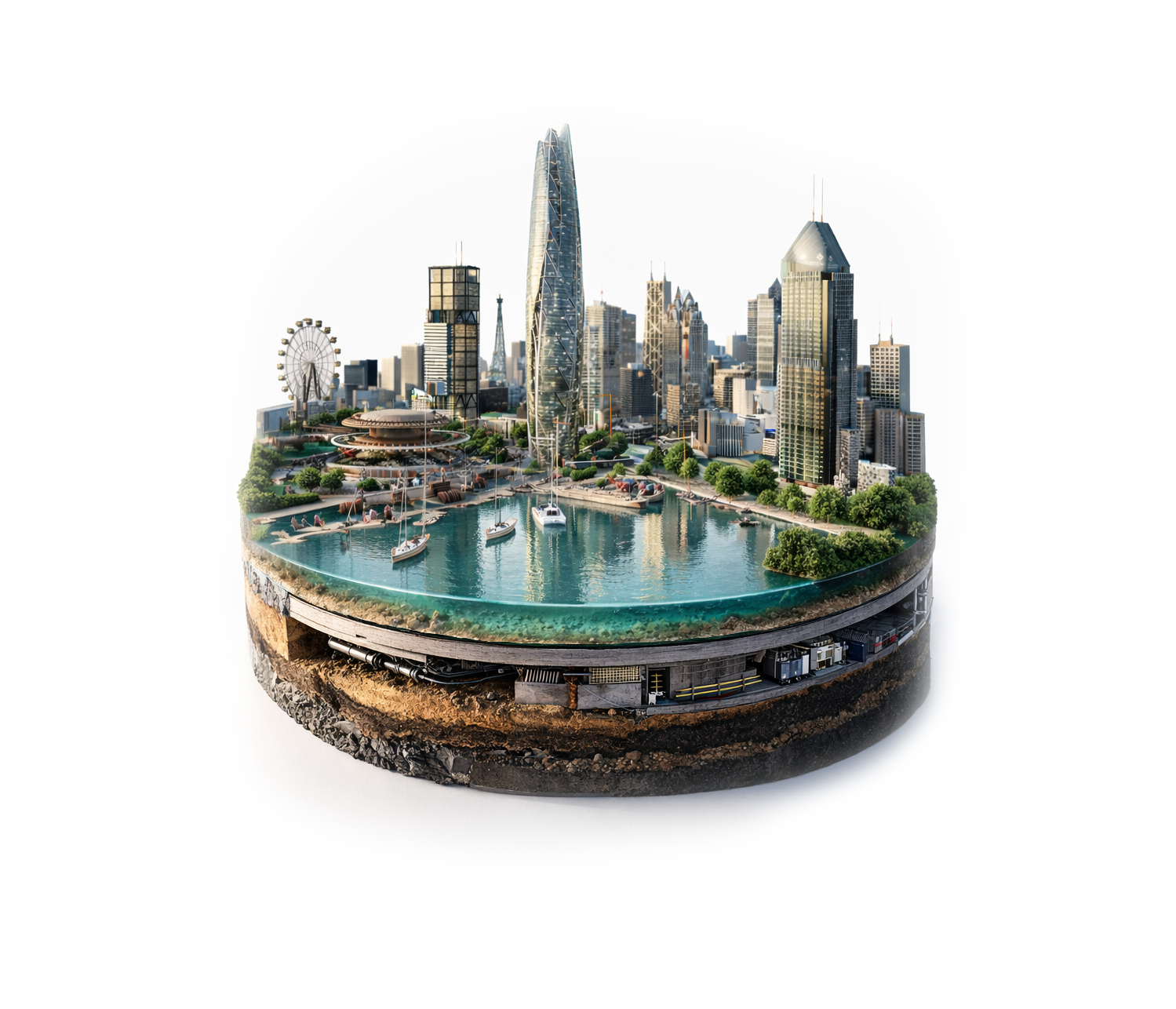
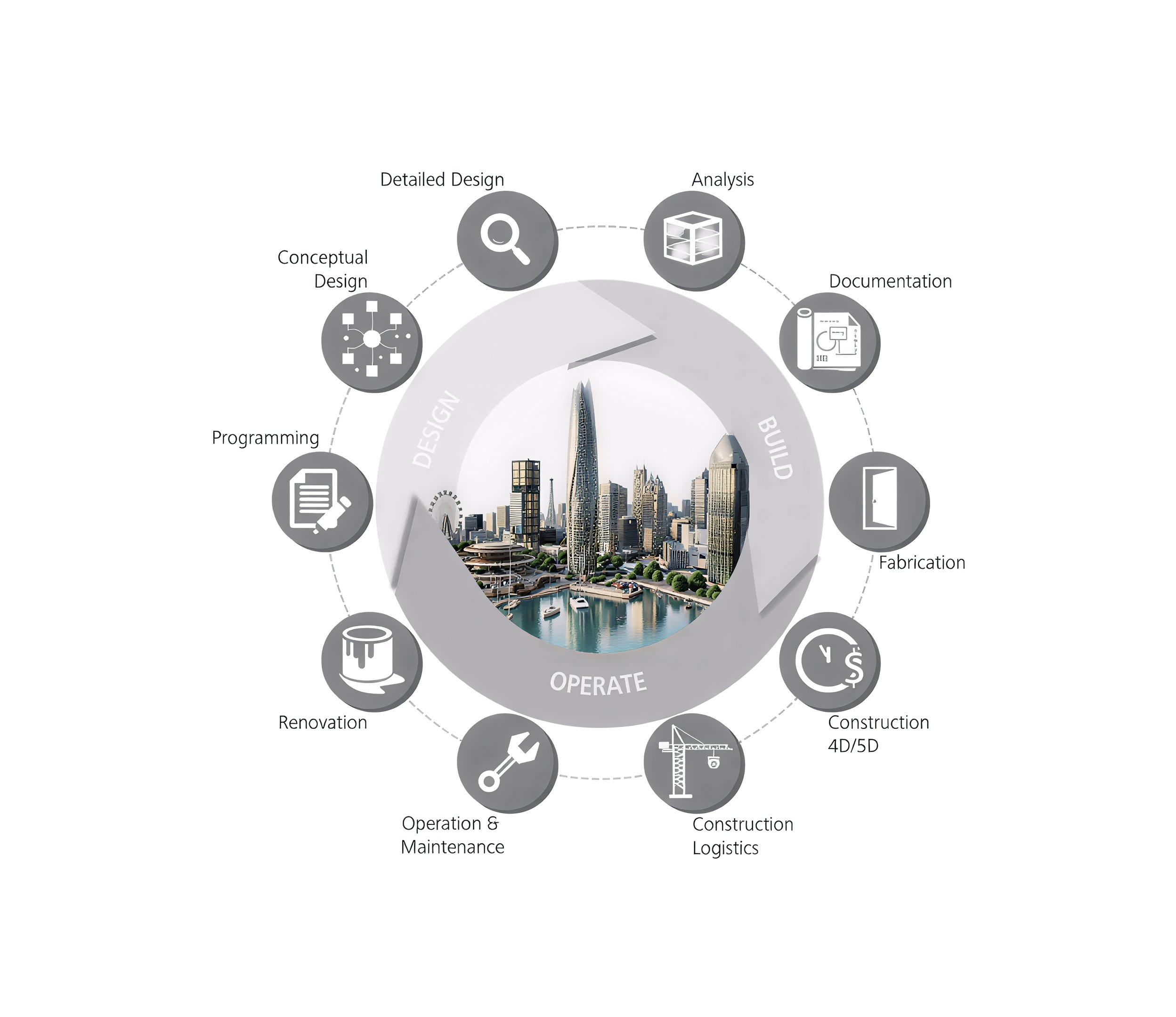
Building information modeling -BIM- is the holistic process of creating and managing information for a built asset. Based on an intelligent model and enabled by a cloud platform, BIM integrates structured, multi-disciplinary data to produce a digital representation of an asset across its lifecycle, from planning and design to construction and operations
BIM-Driven Capabilities:
Predictive Analytics: Forecasting building performance and maintenance.
Immersive Visualization: Using VR/AR to experience the space before it's built.
Asset & Facility Management: Tracking equipment and building components over their lifecycle.
Energy Management: Optimizing the building's carbon footprint and utility usage.
Digital Twin: Creating a virtual 1:1 replica of the physical asset for real-time monitoring.
BIM Management Philosophy
My approach to BIM leadership treats the model as a strategic decision-making platform rather than just a drafting tool. I begin by understanding the client’s goals and project context, then develop structured workflows, templates, and modeling standards that support efficient collaboration.
By aligning BIM processes with project objectives, the model becomes a reliable foundation for coordination, documentation, and informed decisions throughout the project lifecycle.
1.
Coordination Strategy
Coordination is managed through a central model where all stakeholders collaborate within a shared environment.
My role focuses on managing communication between disciplines, ensuring alignment between teams, and maintaining coordination throughout the design process.
By facilitating collaboration between architects, engineers, consultants, and contractors, I help keep the project on track and ensure that all systems integrate properly within the building model.
2.
Clash Detection Workflow
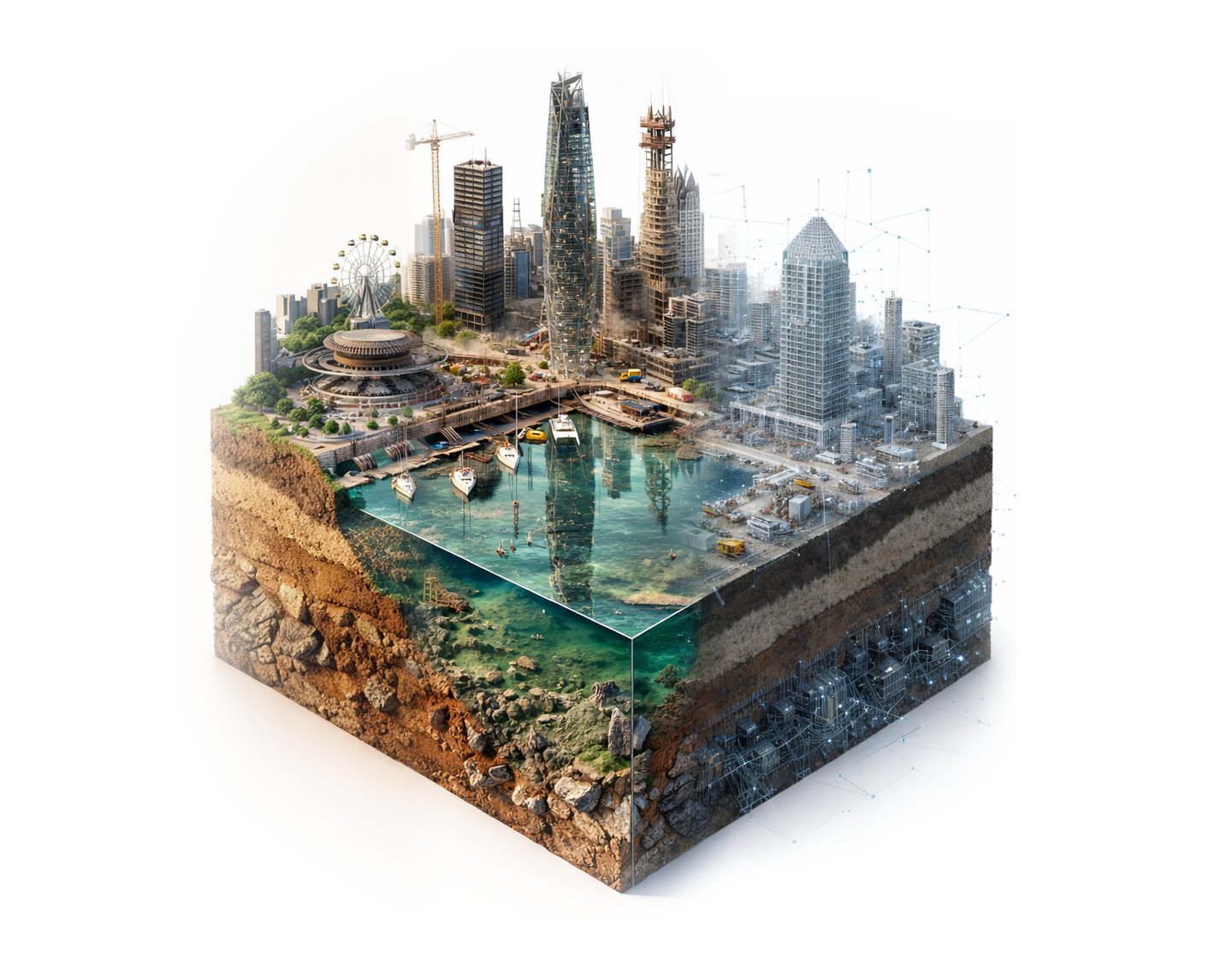
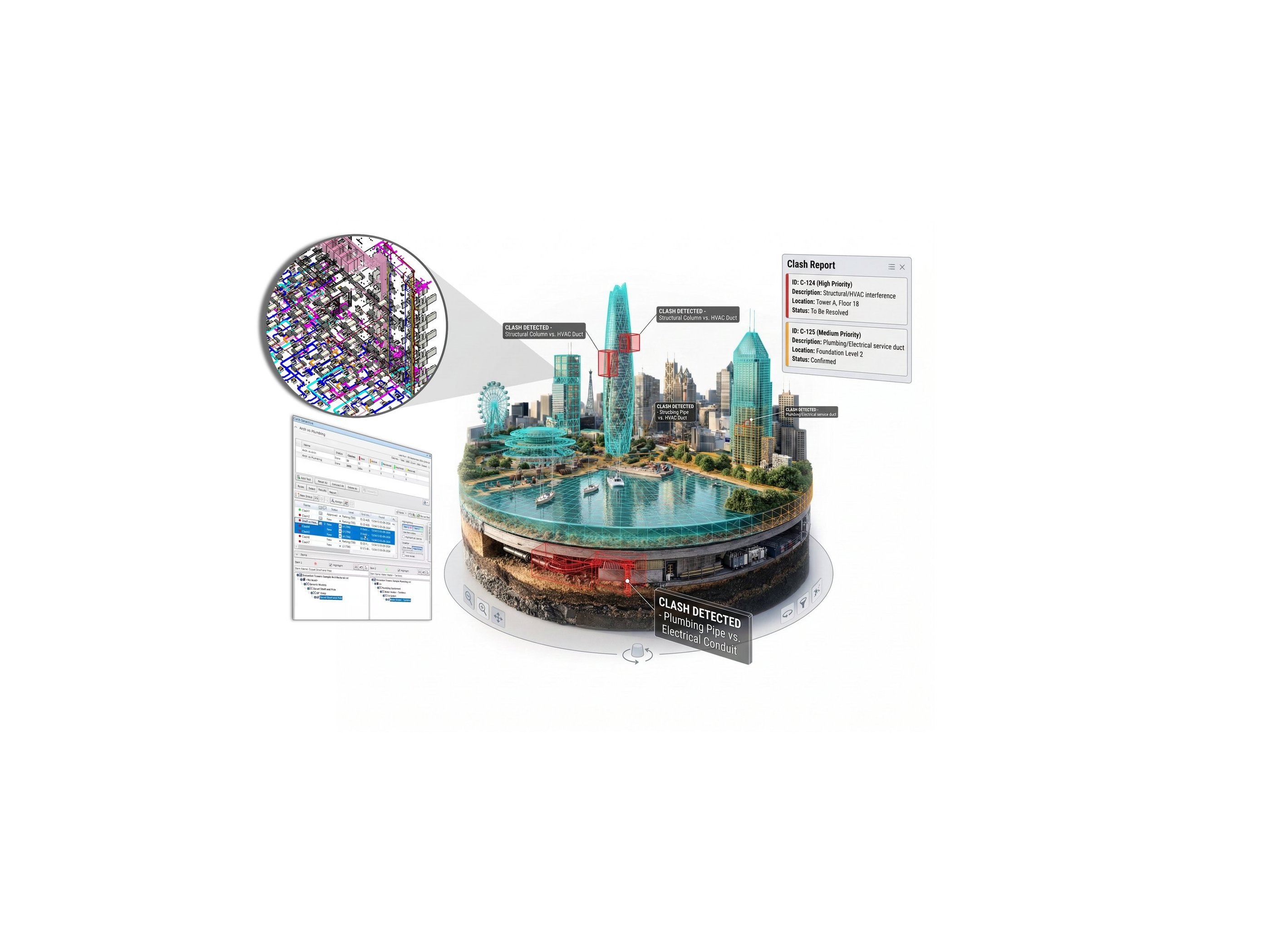
Using the digital twin model as a digital representation of the project, I perform clash detection to identify conflicts between building systems. Conflicts are reviewed collaboratively during live coordination sessions with stakeholders.
This iterative process allows teams to resolve spatial conflicts early in the design phase, improving coordination and reducing potential construction issues.
3.
Automation and Efficiency
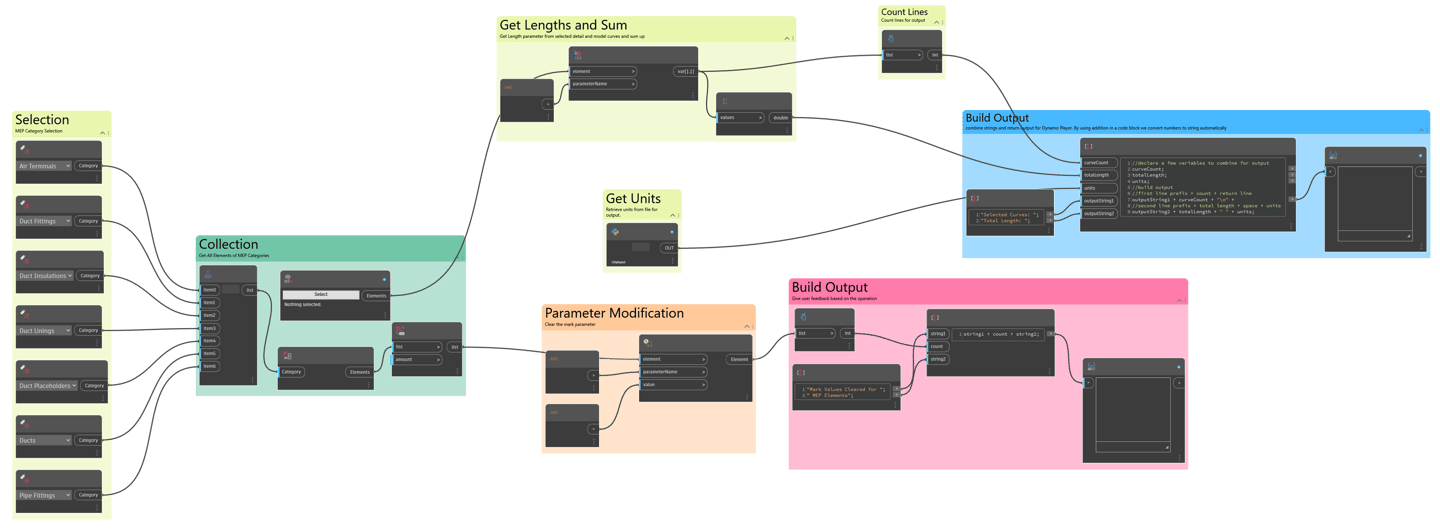
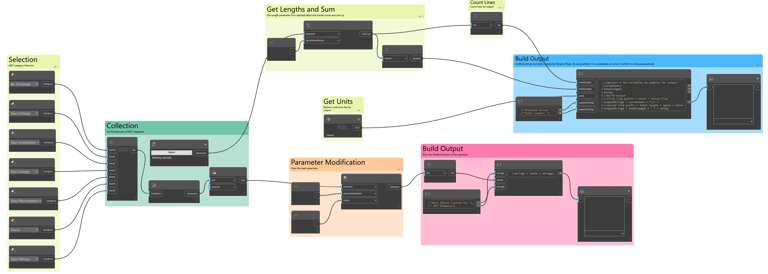
To improve efficiency and reduce repetitive tasks, I develop automation workflows using scripting tools and APIs within Autodesk Revit.
These parametric workflows support automated element placement, parameter management, and quality control checks. By embedding automation within project templates and workflows, the design process becomes faster, more consistent, and less prone to human error.
4.
Model Development Standards
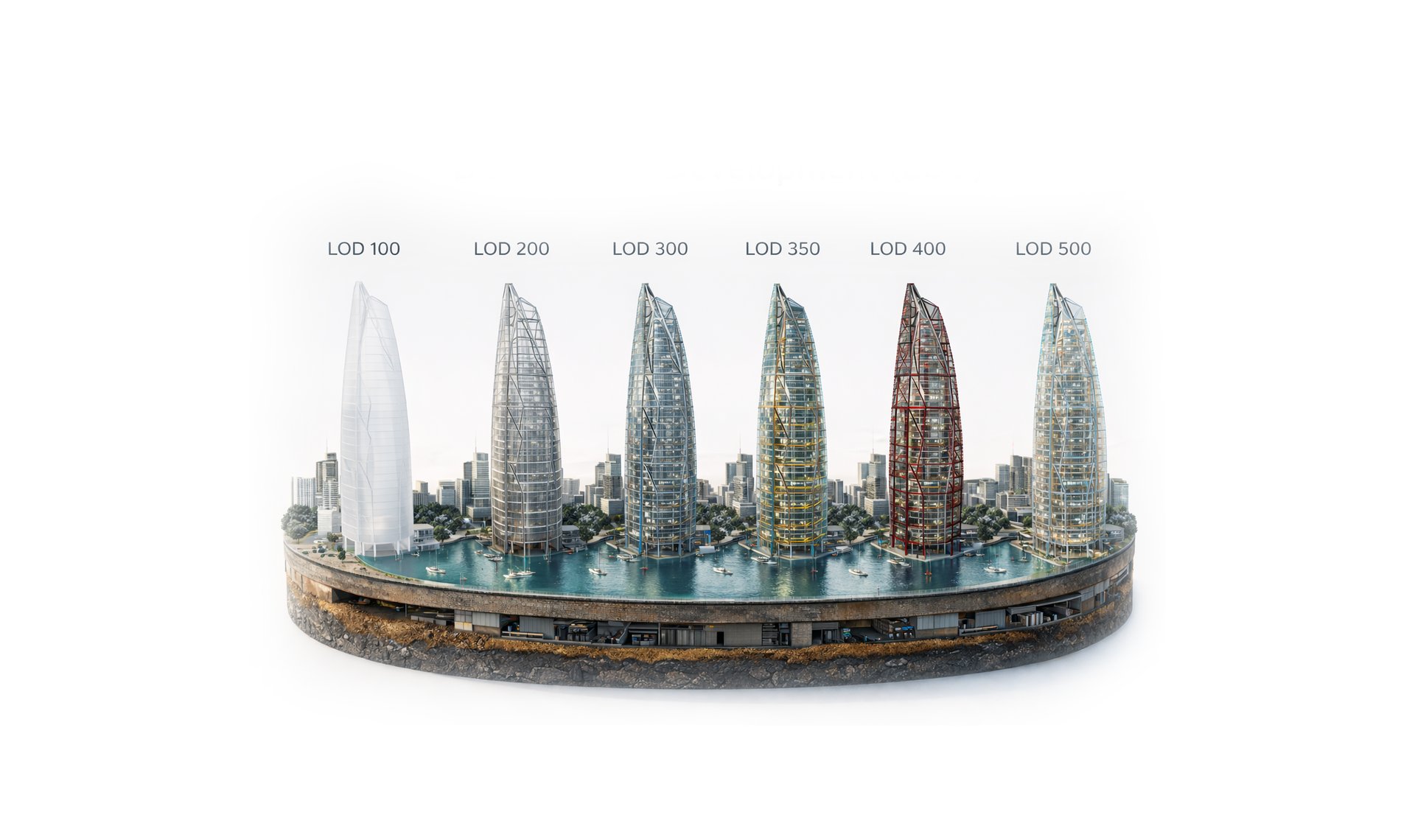
A key component of BIM management is defining clear Level of Development (LOD) standards that guide how the model evolves throughout the project lifecycle.
LOD 100 | Conceptual Design: Massing and spatial relationships.
LOD 200 | Schematic Design: Approximate systems and preliminary layouts.
LOD 300 | Detailed Design: Accurate geometry for coordination.
LOD 350 | Coordination: Interfaces between systems for clash detection.
LOD 400 | Fabrication: Detailed models for fabrication and installation.
LOD 500 | As-Built: Represents the final verified model reflecting what was actually installed in the field.
5.
Project Delivery Framework
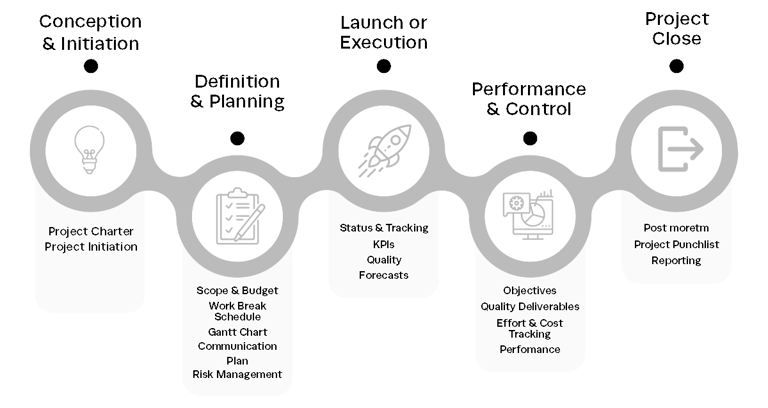
Project delivery follows a structured workflow that integrates design standards, documentation requirements, and coordination procedures tailored to the client’s needs.
This framework supports collaboration between stakeholders, consultants, contractors, and owners. Through structured coordination and clear communication, the process ensures that project requirements are met while maintaining efficiency, quality, and timely delivery.
6.




Contact
Reach out for collaborations or questions.
Phone
© 2026. Ibrahim Alkurdi All rights reserved.
Let's connect on